ADAR HUKUK
Turkish Power of Attorney for Divorce and Cross-Border Legal Work
A power of attorney enables a named representative to perform specified legal acts for you. For an international divorce connected with Turkey, the document must be suitable for the Turkish proceedings, not merely valid as a general authorisation in the country where it was signed. The essential questions are who will act, which powers are required, how the document is issued and authenticated, and whether translation or delivery of an original is needed. A power of attorney also has limits: it does not replace every personal appearance required by law.
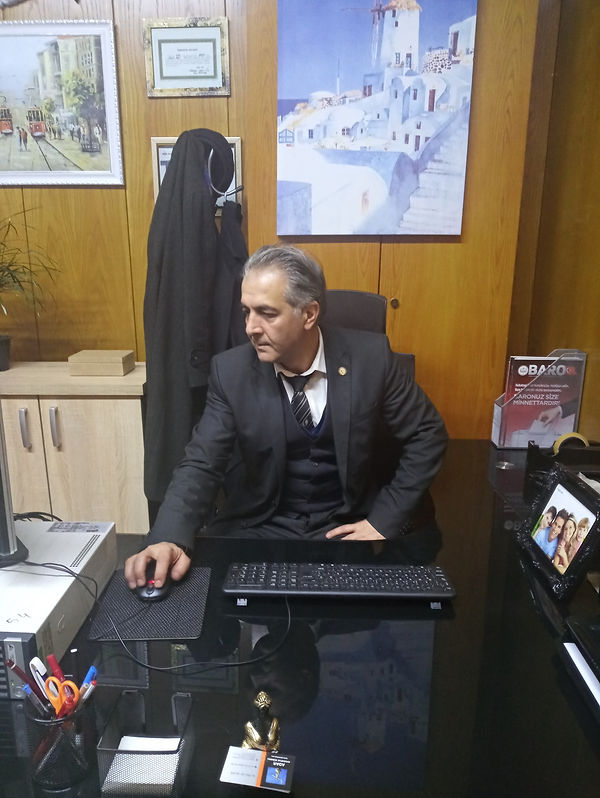 Lawyer Murat Adar · Istanbul Bar registration 21499
Define the job before preparing the document
Tell the lawyer whether the task is filing for divorce, defending an existing case, recognising a foreign judgment, enforcing payments or handling a separate property dispute. These tasks may require different authority and may be assigned through one carefully drafted document or separate instruments. Avoid copying a template written for a property sale when the actual matter concerns civil status and litigation.
The authority should identify the principal and lawyer accurately and contain the powers needed for the proposed acts. Under Turkish civil procedure, certain acts require special authority, including litigation concerning personal rights and acts such as settlement or waiver. The lawyer should assess the relevant wording against the intended work. Broad everyday language such as handling all my affairs is not a reliable substitute for that assessment.
The Turkish consular route
Turkish consular services can offer an appropriate route for eligible applicants abroad. Availability, citizenship rules, appointment arrangements and the required identity documents should be checked with the responsible mission. Confirm whether the mission can issue the particular instrument and whether language assistance is needed. Do not assume that every person can obtain every type of notarial act from any Turkish diplomatic office.
Ask for the document checklist before attending. Consular guidance includes identity information, photographs for relevant instruments and the representative's professional details. Obtain the lawyer's current information directly so that names and identifiers are accurate. A document issued through the Turkish consular system is different from a foreign notarial instrument; do not automatically arrange a separate foreign apostille for a Turkish consular act.
A power issued before a foreign notary
A local foreign notary may be another route, but legal form and intended Turkish use must be examined first. Send the proposed text to the Turkish lawyer before signing. The fact that a notary authenticates your signature does not necessarily establish that the document meets every Turkish requirement for the acts concerned. Particular transactions can demand more than a simple signature certification.
After issue, determine the correct authentication route. Where the Apostille Convention operates between the issuing state and Turkey and the document falls within its scope, an apostille may replace consular legalisation. Otherwise, the relevant legalisation chain should be confirmed with the Turkish mission and local authorities. Treaty exemptions may change the analysis. Authentication and substantive authority should be treated as separate checks.
Translation and consistency across the document package
Turkish proceedings may require a suitable Turkish translation of the authority and its certification. Ensure that the translation covers relevant endorsements rather than only the first page. Discuss whether translation and certification should be completed in Turkey or through an acceptable process abroad. The receiving court or institution determines the required form; a private English summary is useful for understanding but not necessarily sufficient for filing.
Check names, passport numbers, birth details and professional identifiers consistently. Explain a surname change after marriage and provide supporting records where necessary. Do not silently correct a mismatch in translation without identifying it to the lawyer. Keep the complete issued document, any apostille or legalisation attachment and the translated version together. A detached certification page can leave the package difficult to assess.
What representation cannot replace
Where Turkish substantive law governs an uncontested divorce, Civil Code Article 166(3) requires the judge to hear both spouses personally. A power of attorney authorises the lawyer's work but does not remove that condition. Other proceedings, including contested litigation and foreign judgment recognition, have their own participation requirements. Ask about the specific hearing rather than assuming that a document permits entirely remote completion.
The instrument also does not decide jurisdiction or governing law. A Turkish court must still be competent to hear the case, and the claims must satisfy the applicable legal conditions. Nor does litigation authority automatically authorise travel with a child, permanent relocation or transfer of every overseas asset. Each intended legal act should be assessed under its own rules and, where necessary, covered by a separate valid document.
Timing, original delivery and later changes
Plan the appointment early, but tell the lawyer immediately if court papers have already been served. A future consular appointment does not suspend an existing response period. The lawyer can assess urgent procedural options and the steps needed to establish authority. Do not rely on an informal promise that documents can always be added later; the law and court directions govern whether and how a deficiency can be addressed.
Send a readable scan for preliminary review and confirm what original or authenticated copy must reach the lawyer. Retain a copy and delivery evidence. If you change representatives, discuss revocation and notification to relevant institutions; simply ceasing to answer messages does not clearly communicate the legal change. If the scope needs expansion, a supplementary instrument may be required rather than an email instruction alone.
Costs and an overseas signing example
Separate the professional fee for legal work from the expense of issuing the authority. Possible document costs include notarial or consular charges, apostille or legalisation, translation, certification and courier delivery. They vary by country, length and document type. An estimate should explain which route is proposed and which third-party charges are included. Check current official charges at the time of issue.
For example, a client in an Apostille Convention state plans to defend a Turkish divorce action. The Turkish lawyer reviews the required wording first; the client then arranges the appropriate local notarial act, obtains the competent authority's apostille and coordinates Turkish translation. The lawyer reviews the complete package before filing. This sequence reduces avoidable reissue costs without confusing authentication with the merits of the divorce case.
Frequently asked questions
Can I use an ordinary email as a power of attorney?
An email can communicate instructions but does not generally replace the formal authority required for judicial representation. Ask the lawyer which valid form and special powers are needed for the intended proceedings.
Does every foreign power require an apostille?
No. Country participation, treaty operation, document scope and exemptions matter. Where the Convention does not apply, another authentication route may be required. A Turkish consular instrument must also be distinguished from a foreign notarial act.
Can the same authority cover divorce and property division?
It may cover multiple tasks if the wording and formal requirements are suitable. The scope should be reviewed carefully, including settlement, waiver and transaction powers. Do not assume that ordinary litigation wording covers every implementing transfer.
Must I give the lawyer unlimited powers?
The instrument should suit the agreed work. Discuss which powers are necessary and what instructions will govern their use. Restricting or expanding the wording without legal review can prevent required steps or authorise acts you did not intend.