ADAR HUKUK
Working with an English-Speaking Turkish Lawyer in a Family Case
English-language communication can make a Turkish family case easier to understand, especially when a client lives abroad or has documents from several countries. It does not change the court's official language, remove translation requirements or confer foreign professional admission on a Turkish lawyer. The useful question is how legal advice, instructions and official documents will be communicated so that you can make informed decisions. This guide explains a practical working arrangement for divorce and related international family matters.
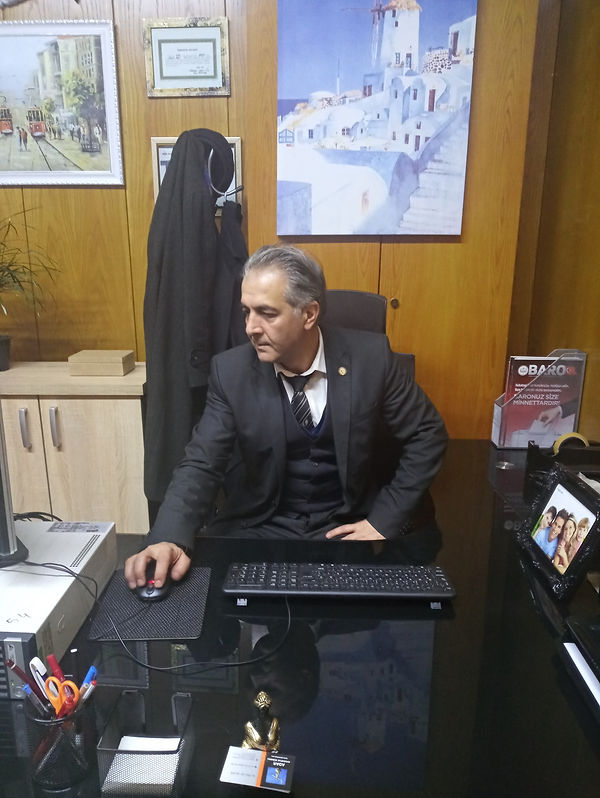 Lawyer Murat Adar · Istanbul Bar registration 21499
Language service and professional scope are different
A lawyer's ability to explain Turkish law in English is a communication service. Professional authority comes from the relevant admission and applicable rules. An English-speaking Turkish lawyer does not automatically have rights of audience in Scotland, Austria or Romania. If your case needs substantive advice or representation abroad, identify the appropriately qualified professional there and agree how the two advisers will coordinate.
Define whether the engagement concerns Turkish divorce, response work, recognition of a foreign judgment, financial claims or children's issues. These legal tasks are separate even when discussed in one language. Ask who will provide advice, who signs filings and who is responsible for deadlines. A fluent initial conversation should lead to a clear professional scope rather than an assumption that every problem in both countries is included.
Turkish court language and official translation
Turkish judicial proceedings require the appropriate official language and procedural form. An English consultation does not mean that a petition can simply be filed in English or that the judge will conduct every hearing in English. Where a party needs interpretation, arrangements must meet the applicable requirements. Tell the lawyer early if you cannot follow Turkish legal discussion so that participation can be planned appropriately.
Foreign documents may require a suitable Turkish translation, sometimes together with authentication or certification. A plain English summary helps the client understand a record but is different from the version submitted to court. Agree whether you need translated summaries of important orders, full translations or both. This distinction affects cost and avoids confusion about what the lawyer has actually commissioned.
Give instructions through complete factual information
Start with the marriage date, citizenships, residence history, children and any current case. Explain your objectives in plain language and mark uncertain facts. The lawyer will translate those objectives into legally available requests. Terms such as custody, domicile, separation and maintenance can have different technical meanings between legal systems, so ask for explanation rather than assuming your home country's meaning controls the Turkish case.
Send complete documents with descriptive labels and dates. If you received court papers, include the service information as well as the petition. Preserve original messages and records even when providing an English summary. The lawyer needs the underlying material to assess evidence and may require formal translation for selected records. A carefully organised file is more useful than repeated verbal descriptions of papers that have not been supplied.
Agree a communication plan for overseas work
Identify a reliable channel for ordinary updates and an urgent contact method for documents with deadlines. Confirm time-zone arrangements and who checks messages while travelling. Important decisions should be recorded clearly, especially approval of settlement terms, payments, appeals or waiver of rights. The client should understand which steps require express instructions and which procedural work falls within the existing engagement.
Ask how official notifications are monitored and when you will receive explanations of important orders. A lawyer's paraphrase should distinguish the court's actual direction from the adviser's recommendation. If the court changes a hearing date or requests a document, obtain the concrete action and deadline. Good communication reduces uncertainty without implying that every routine notification will be translated word for word automatically.
Representation documents and personal participation
A client abroad may need a power of attorney prepared through an appropriate consular or foreign notarial route. The lawyer should review the wording and required special powers before issue. Authentication depends on the country and document; apostille is not available for every issuing state. Turkish translation and delivery of the necessary original or authenticated copy should be planned separately from the consultation.
Representation does not replace all personal acts. Under the Turkish consensual divorce route where Turkish law applies, Civil Code Article 166(3) requires the judge to hear both spouses personally. Contested proceedings and recognition applications raise different participation questions. Discuss the actual legal route before assuming that an English-speaking lawyer can complete the entire matter without your presence or further instructions.
Costs and transparent translation choices
An itemised estimate should distinguish legal advice and representation from translation, interpretation, official charges, authentication and overseas service. Specify whether written English summaries are included in the professional fee. Full translations of a large court file can be expensive; ask which documents must be translated for filing and which can first be reviewed through an accurate working summary.
Do not treat language ability as a promise of a single international package price. Separate foreign counsel, property proceedings, appeals and enforcement may involve additional work. Current official fees and the applicable Turkish professional fee framework should be checked at engagement. If legal aid is relevant, the court and bar mechanisms have distinct conditions and should be assessed rather than presumed from the client's language or nationality.
Deadlines and an example of effective cooperation
A request for an English explanation should not delay assessment of an immediate procedural period. Send served papers promptly even if you cannot translate them yourself. The lawyer can identify the court, claim and time-sensitive issue, then arrange the necessary fuller review. In ordinary Turkish written procedure, the common two-week response period depends on proper service and the applicable rules; an online appointment date is not the trigger.
For example, a client abroad receives a Turkish petition and asks for English assistance. The lawyer first identifies the service position and authority requirements, explains the immediate response task and provides a document checklist. Later advice addresses evidence and a proposed settlement in clear English, while official filings are prepared in Turkish. Foreign counsel handles the destination-country consequences. Each professional's legal responsibility remains visible despite the shared communication language.
Frequently asked questions
Can my Turkish case be conducted entirely in English?
English advice can support your understanding, but official court language and translation requirements remain applicable. Discuss interpretation and document translation separately from the language used in office communication.
Does English-speaking mean the lawyer is licensed in the UK?
No. Language ability does not confer foreign professional admission. Ask about the relevant qualifications and arrange locally authorised advice where proceedings or substantive questions require another jurisdiction's expertise.
Should I translate everything before contacting the lawyer?
Send available documents promptly, especially served papers. The lawyer can identify what needs official translation and what is sufficient for preliminary assessment. This avoids unnecessary expense and delay in reviewing deadlines.
How do I approve a settlement I cannot read in Turkish?
Request an explanation or translation sufficient to understand the exact terms before approval. Identify the final version and record your instructions clearly. Financial waivers and child arrangements should not be accepted on an unexplained general assurance.